
Though she was an integral part of the development of the heart-lung machine, if you google her name her husband’s comes up, with Mary garnering a short mention.
Mary “Maly” Hopkinson Gibbon was born Mary Gibbon in 1903 in New England.
Her family was quite affluent and encouraged her to develop her natural intelligence.
Mary’s interest was in scientific research, and she began her career at Massachusetts General Hospital, where she met her husband, Doctor John Heysham Gibbon. John respected Mary and her intelligence, and those who knew them said they were partners in every sense of the word.
It was working here in 1935 that Mary first thought of a machine that could keep the heart and lungs pumping while surgery was being performed. Together with John, they began years of trial-and-error experiments to try and create a machine that could keep patients alive during heart and lung surgeries.
The goal was to develop a working system that bypassed the heart and lungs and kept blood oxygenated during procedures.
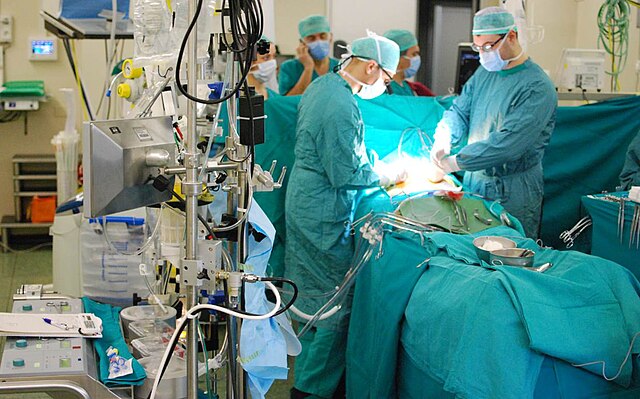
Collaborating with her surgeon husband, they developed a prototype of a pump-oxygenator that would later become the heart-lung machine.
This machine had its successful debut in 1953, when it kept a teenage girl’s heart and lungs functioning for 26 minutes while John Gibbon performed surgery on her to repair a hole in her heart.
In the following years, the heart-lung machine evolved to its present form today, saving countless lives.
Unfortunately, history has relegated Mary’s contribution to little more than a footnote to her husband’s biography, which often gives him sole credit for the invention.
But those who knew them during this time testify that her contribution was equal to his, and those who asked were told as much.
So, the next time you or someone you love is undergoing a procedure that uses the heart-lung machine to sustain life, remember to thank a woman. Thank Mary Hopkinson Gibbon.
 The damsel in distress...rescues herself.